
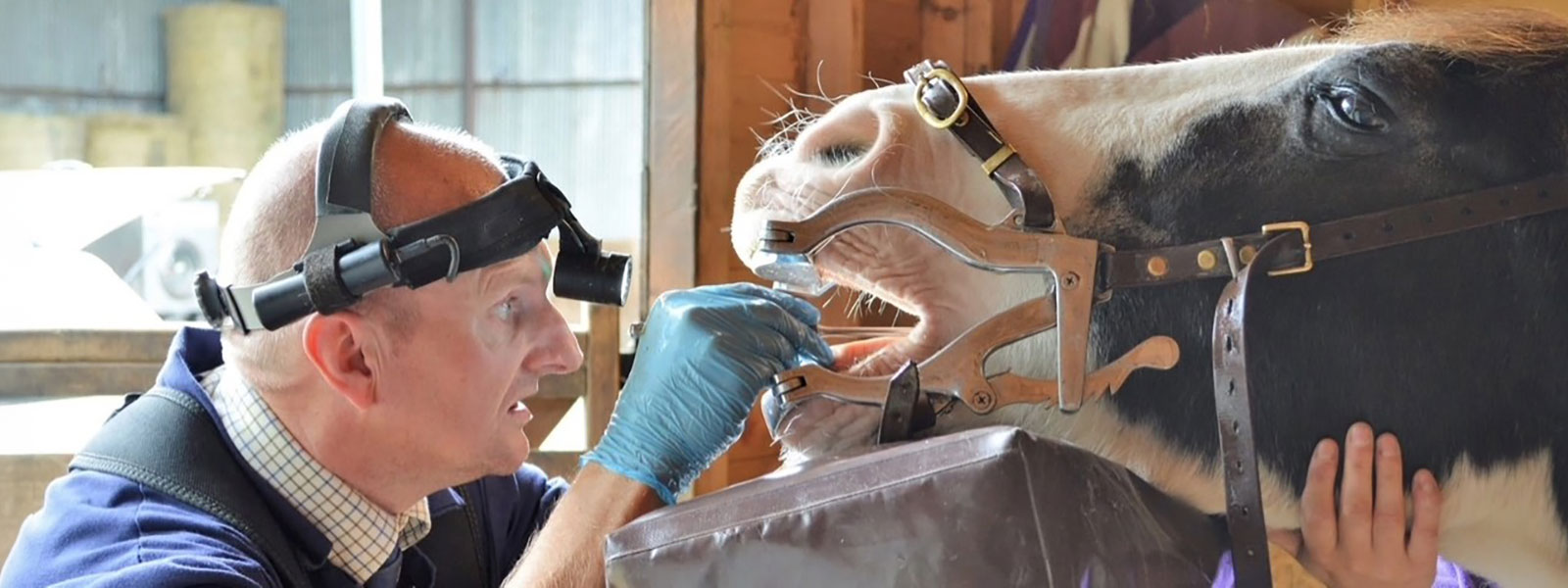
Dental Services
All of our veterinarians are highly qualified and experienced in performing comprehensive dental procedures for horses, ponies, and donkeys. Proper dental care is vital for maintaining your horse’s overall health. As part of routine preventive care, it is recommended that horses undergo an annual dental examination and receive necessary treatment, typically coinciding with their yearly vaccinations. For horses exhibiting dental abnormalities, more frequent assessments and interventions may be advised, such as biannual examinations.
Over the last decade, advancements in veterinary understanding of equine dental disease and its management have been substantial. Comprehensive veterinary dental examinations and interventions are now considered essential components of an effective preventative health care plan for horses.
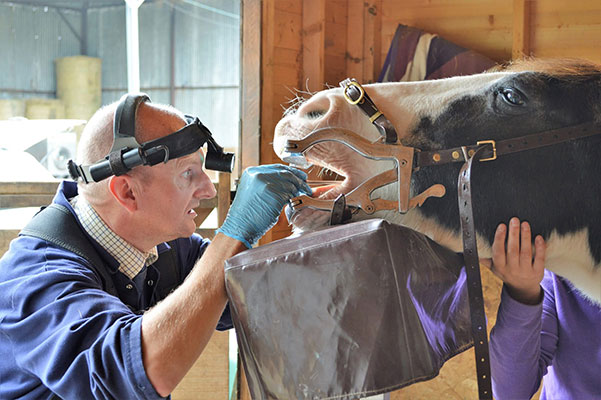
Malcolm Corsar completing a routine dental examination
A routine dental checkup for horses usually lasts between 30 and 60 minutes and includes a detailed inspection of the horse’s mouth and teeth by the veterinarian. Performing this procedure under sedation is recommended, as modern equine dentistry benefits from it—allowing the vet to work more thoroughly, minimizing stress for both the horse and the people involved, and preventing unexpected movements that could lead to injuries.
The majority of equine dental procedures are routine, typically consisting of floating (rasping) sharp enamel points that develop on the teeth. If not addressed, these sharp enamel points may result in painful oral ulcerations, which can contribute to undesirable behaviours or diminished performance. As horses age, they are also susceptible to additional dental issues such as tooth decay, diastemata (interdental spaces that trap food), and loosening or loss of teeth.
Signs of dental disease and oral discomfort in your horse can include:
- Dropping of food (quidding)
- Eating more slowly or preferring to eat soft feed rather than hay
- Pouching of food in the cheeks
- Halitosis (bad breath)
- Unilateral (one sided) nasal discharge
- Reluctance to accept the bit
- Poor performance
One of the most qualified people to care for your horse's teeth is your dedicated equine vet so if you notice any of these signs, then please get in touch and a member of our team will be able to assist you.
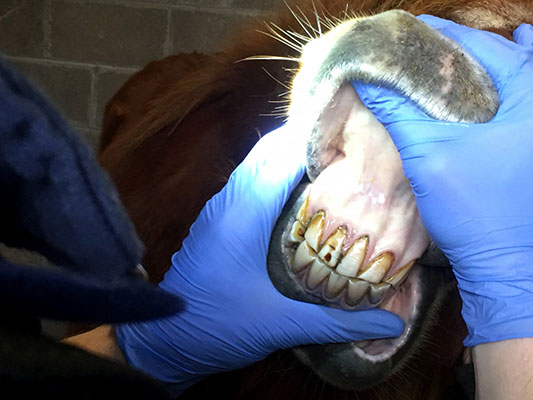
Reviewing the horses incisors
Advanced Dentistry
Each of our vets are fully equipped with hand rasps (including specialist small rasps for shetlands and miniature shetland ponies), power floats (motorised rasps), headstands, dental gags and all the tools required for all routine dentistry.
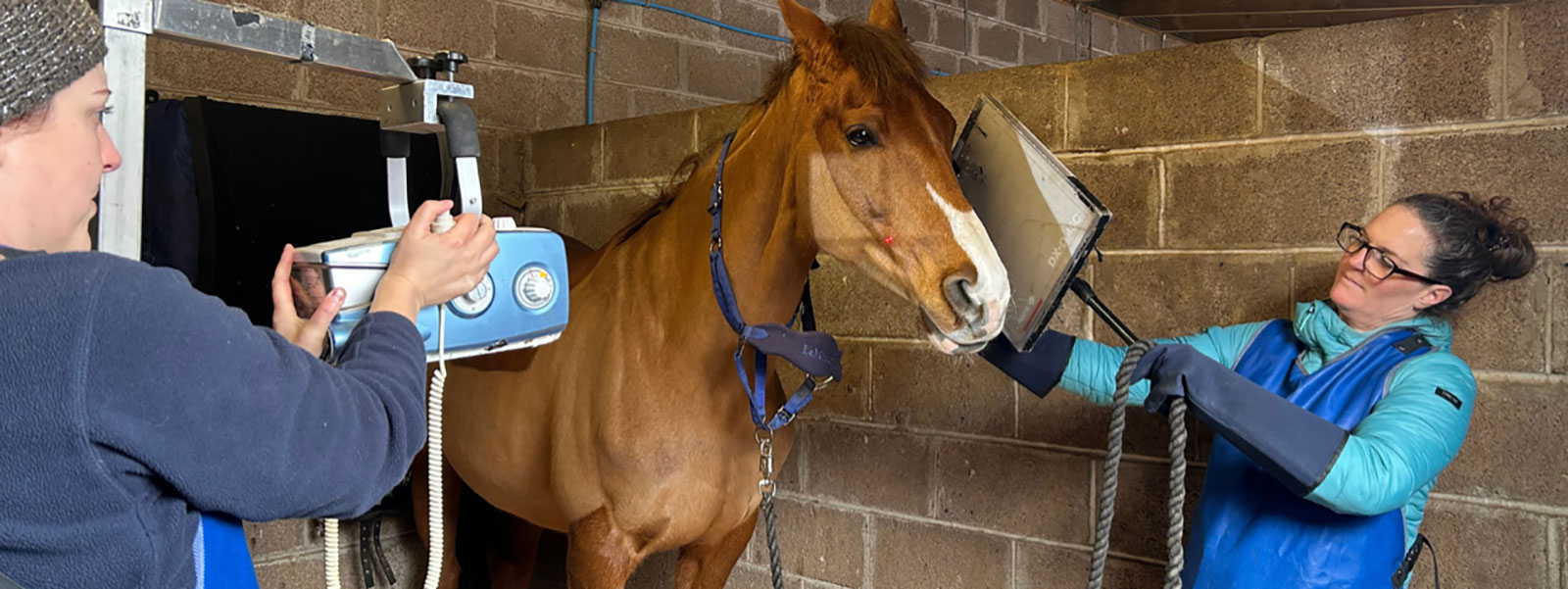
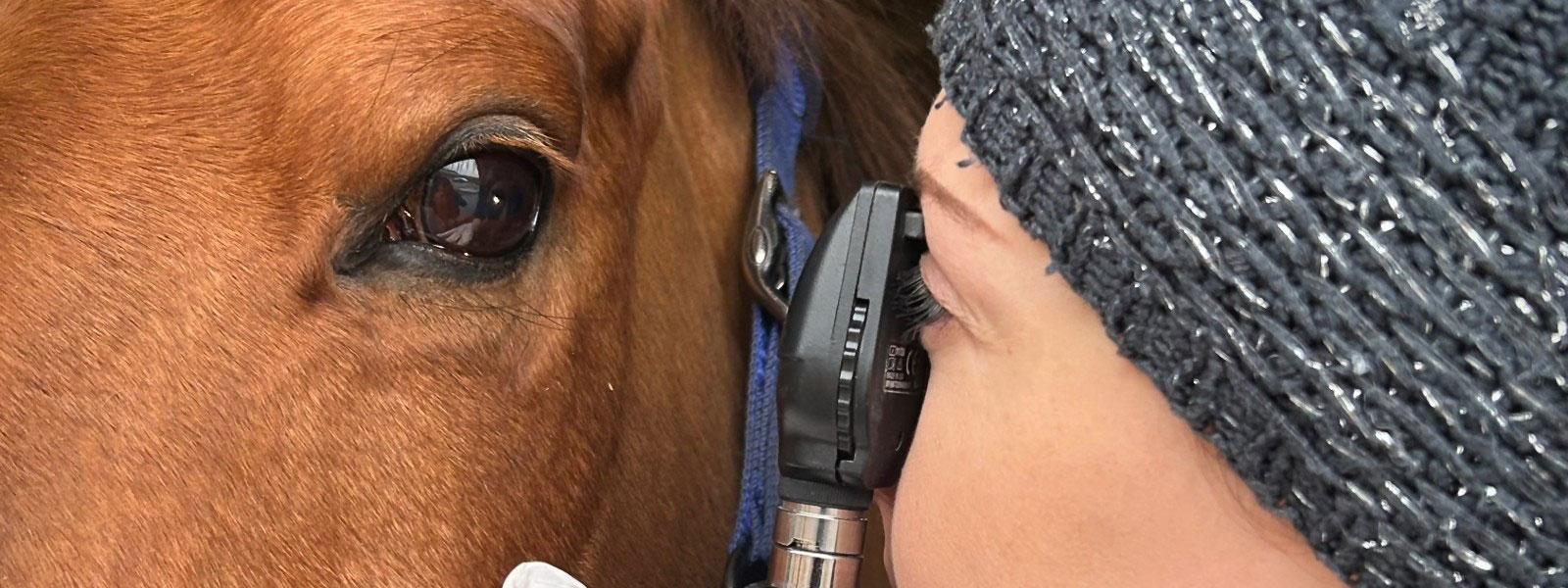
The practice also has the necessary equipment to support the investigation and treatment of more advanced dentistry with the use of a mobile X-ray machine for performing dental radiographs, a portable oroscope (a camera to examine the horse’s mouth), equipment for wolf tooth removal, some tooth extractions and diastema widening.
Our mobile equipment enables us to perform dental procedures at your horse's stable under standing sedation, ensuring top-quality care.
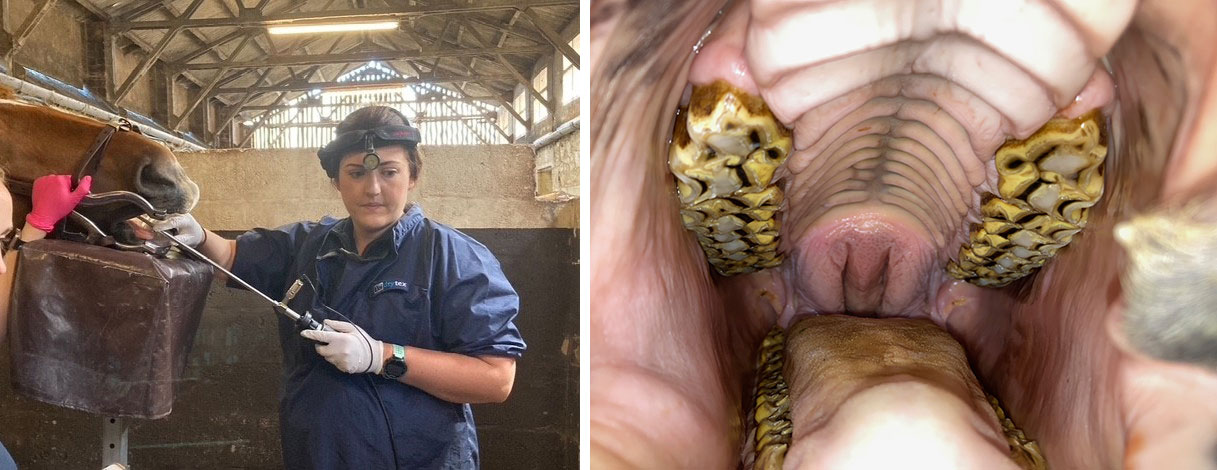
Holly Marshall using the oroscope at the yard & Infundibular caries treated with fillings of the teeth
.jpg)
Radiographs of the teeth taken in the horses stable