
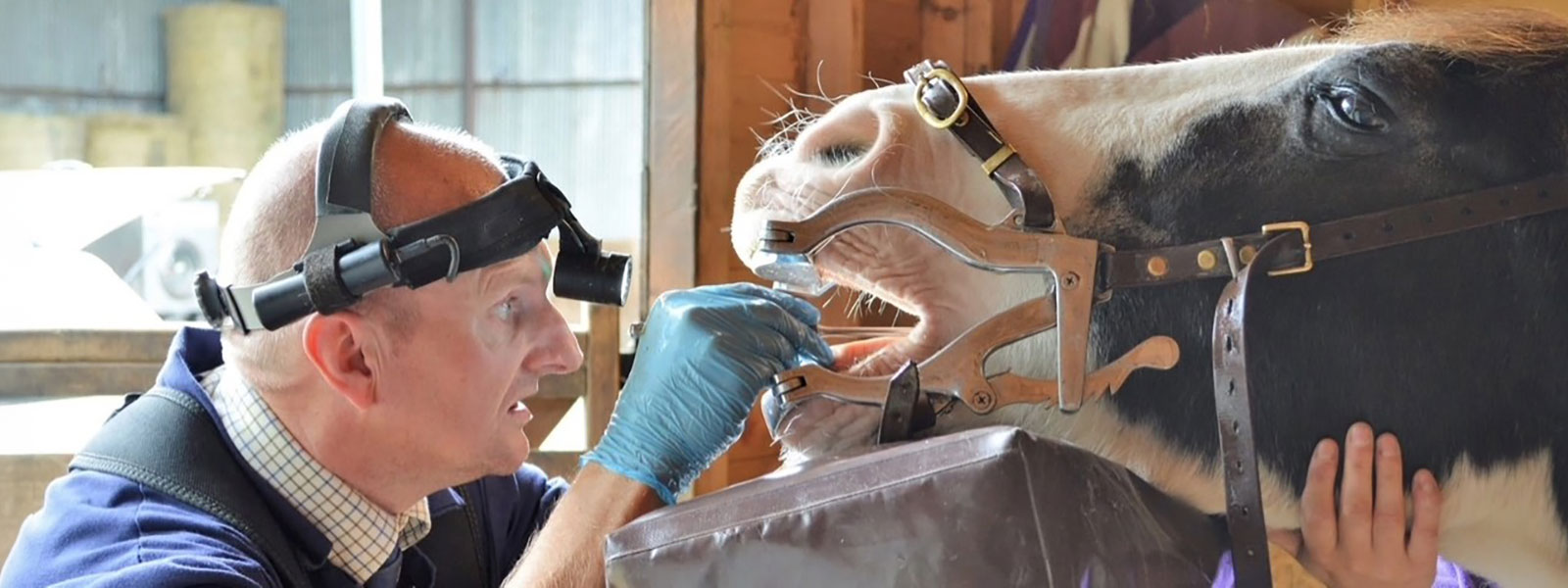
Faecal Worm Egg Count Testing & Worming
Horses that have large burdens of worms are at risk of developing problems such as colic, weight loss and diarrhoea. In severe cases, a high worm burden can prove fatal. While horses of any age can suffer from worm infestation, it is usually the young and old that are most susceptible.
There are three main groups of worms which we need to consider when constructing a worming programme: redworm (small and large strongyles), roundworm (ascarids) and tapeworm. Less clinically significant, but not to be forgotten about are pinworm and bots.
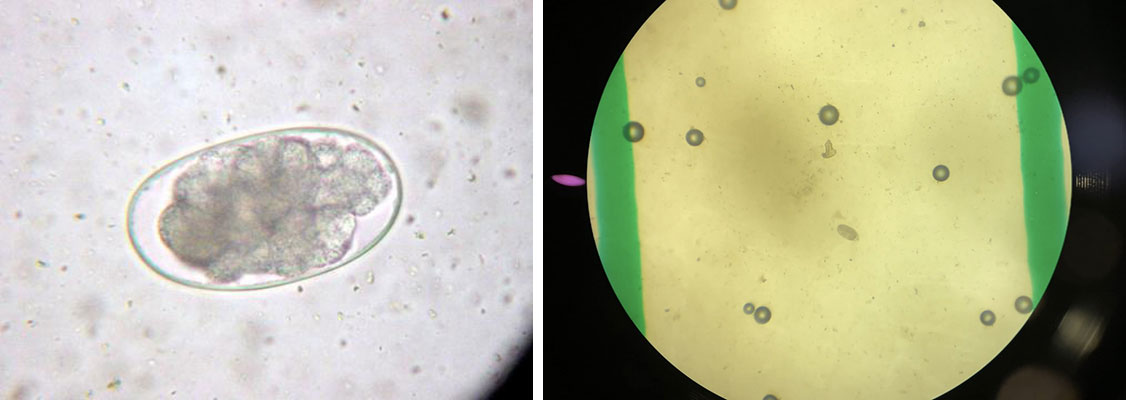
Strongyle egg | Eggs viewed down microscope
Testing
Veterinary practices don’t recommend routinely worming horses anymore due to increasingly recognising signs of resistance to wormers. There are now alternative methods that allow us to provide a more accurate worming regime for our horses and ponies.
- Faecal worm egg count test completed quarterly (at minimum), in addition to the following...
- Testing for red worm through a blood test
- Testing for tapeworm through a blood test or saliva test
- Faecal egg count reduction tests
Testing for red worm and tapeworm allow for minimal and effective worming over the winter months rather than blanket worming, helping to reduce the chance of resistance developing.
Available Worming Products
There are many worming products available making it tricky to know what to use and when. Deciding on which wormer to use can be a difficult choice! As such we recommend that you contact us at Central Equine Vets to discuss your horses’ worming needs.
Our practice can offer you:
- FREE worming advice / guidance
- FREE worming plan
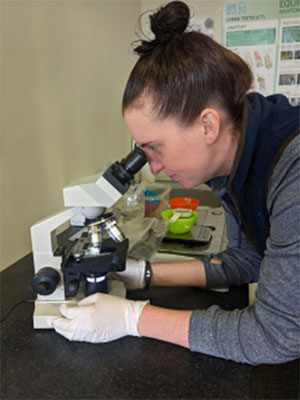
- In house faecal worm egg count testing
- Tape worm testing
- Option for yard / group testing
Should you have any questions regarding testing, worming, setting up a worming programme or what to do when for your horse, please contact the practice and one of our vets will be able to talk you through the process, setting you up with a worming plan that’s right for your horse!